


The effects of EU carbon market reform are yet to be seen
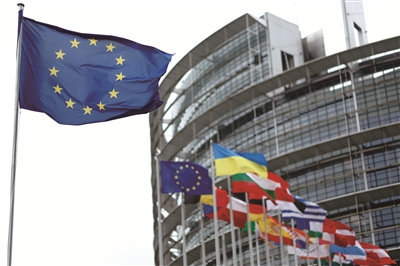
A few days ago, the European Parliament passed the largest bill related to carbon market reform in European history, reforming the carbon emission trading system (ETS), amending the rules related to the carbon border adjustment mechanism (CBAM), and establishing a social climate fund. The EU is very satisfied with this, but the EU's climate policy and various measures may have an impact on related industries, and the effect of reform, especially the implementation of CBAM, remains to be seen. This is especially true for the chemical industry.
The impact of the CBAM on market players outside of Europe is often discussed. Commentators often argue that climate issues and the energy transition are essentially a global political and economic game. Europe is taking advantage of its first-mover advantage in the global carbon pricing mechanism, as well as the technological advantages of European companies in green technologies, to protect carbon-intensive industries such as steel, cement, aluminum, electricity, chemicals, plastics and fertilizers in the EU. This assertion is, of course, not wrong. Objectively speaking, the impact of CBAM on the global trade pattern and the impact on the economic and trade development of developing countries objectively exist. The CBAM will indeed hit the relevant high-carbon industries in countries and regions with large or relatively high export amounts to Europe. However, it remains to be seen whether the CBAM will be a boon for high-carbon sectors within the EU.
At the moment, Europe's high-carbon industries are not too welcoming to CBAM that theoretically protects them. In Europe, the biggest objections to the CBAM are in high-carbon sectors. This is determined by the position of the trade chain in Europe's high-carbon sectors. Europe lacks resources and low-end industries, and the CBAM has significantly increased the operating costs of high-carbon industries in Europe. Officials in the steel, aluminum and other industries have warned about the CBAM, believing that the CBAM will cause the price of related products to rise, thereby weakening the competitiveness of European products. For the more high-end European chemical industry, relevant industry organizations have also expressed concerns about the development of the industry under the CBAM. In other words, the CBAM was actually passed when all parties in the market were not very satisfied.
According to Europe's plan, the CBAM will be officially implemented in 2026. In the three years of waiting for the CBAM to land, all parties in Europe and other markets will inevitably continue to adjust and negotiate the CBAM. As objectively more advanced in carbon management, the adjustment practices of European and European chemical companies are worth paying attention to, and the market impact of CBAM needs to be closely observed by the outside world.


