


Uni-President Petrochemical was recognized as a national green factory in 2023
Recently, the Ministry of Industry and Information Technology released the 2023 green manufacturing list, and Tongyi Petrochemical, a wholly-owned subsidiary of Uni-President Co., Ltd., was recognized as a national green factory. It is understood that in the past two years, the total number of green manufacturing lists has been about thousands.

What is a Green Factory?
Broadly speaking, the green factory aims to establish an efficient, clean, low-carbon, and circular green manufacturing system, and build the green manufacturing system into a demonstration benchmark for the green transformation and upgrading of the manufacturing industry, and become a leading force in international competition. In a narrow sense, green factories refer to factories that are land intensive, harmless in raw materials, clean in production, waste recycling, and low-carbon in energy.
Before the release of the green manufacturing list, Uni-President was invited to Dubai to attend the 28th United Nations Climate Change Conference, and presented the systematic low-carbon development experience of Chinese enterprises to the world on the first day of the conference with the title of "Unified Low-carbon Strategy Implementation and Sharing".
As far as its systematic experience is concerned, it is far from enough to build a green factory that has passed the environmental impact assessment and meets the environmental protection standards in a narrow sense. As one of the supports in the process of unified carbon neutrality, the green factory project is not the end of the carbon neutrality task. After achieving carbon peak in 2021, the goal is still to reduce greenhouse gas emissions by 50% by 2030 and lock the goal of net-zero carbon emissions to 2040, well before the country achieves its carbon neutrality goal 20 years earlier.
Green factories alone are not enough
In accordance with the requirements of the strategic layout of the unified carbon neutral industrial chain, while building a green factory, it is necessary to have a complete carbon neutral industry roadmap and carbon footprint accounting, the second is to establish the support of a sustainable supply chain, and the third is to practice excellent low-carbon culture promotion skills.
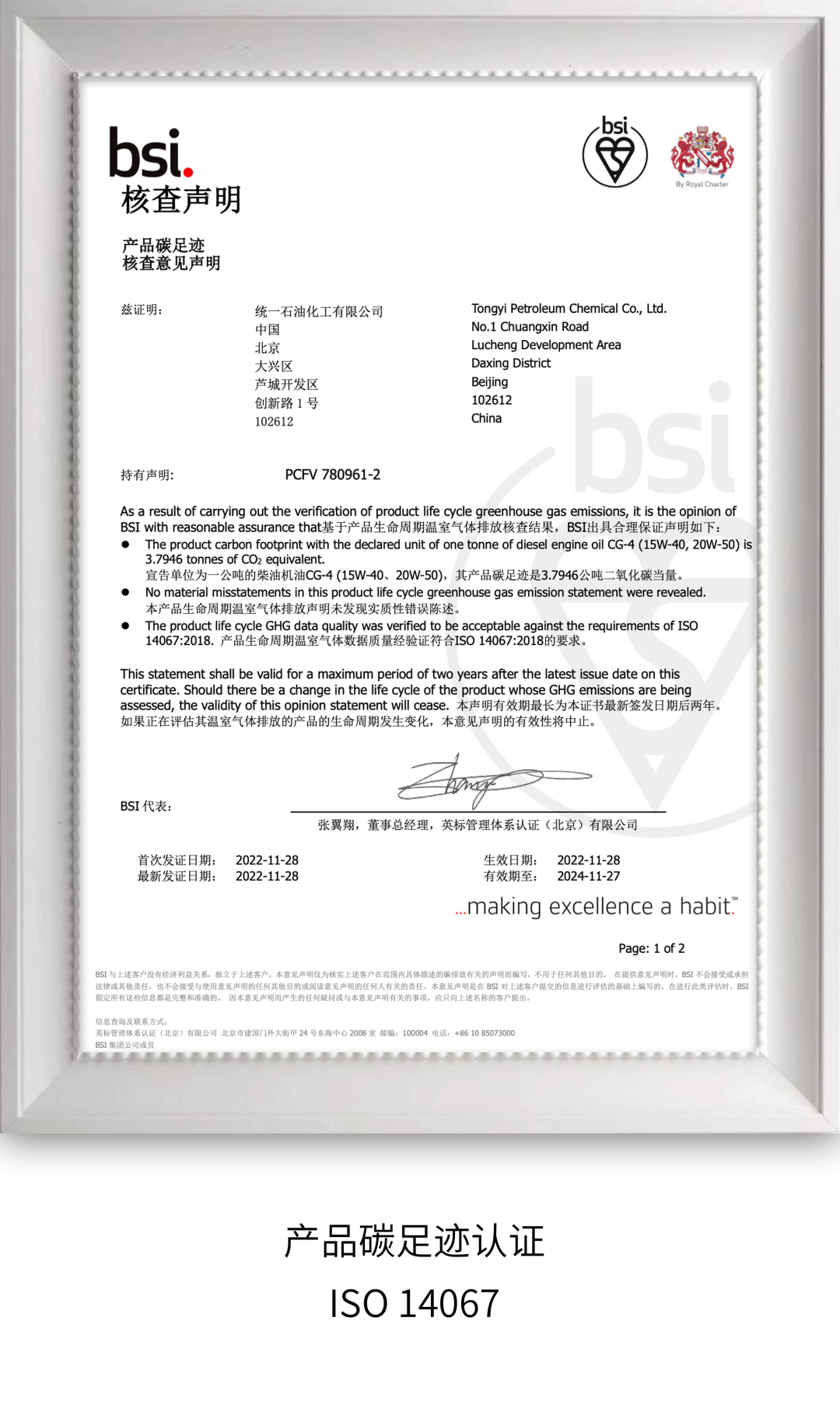
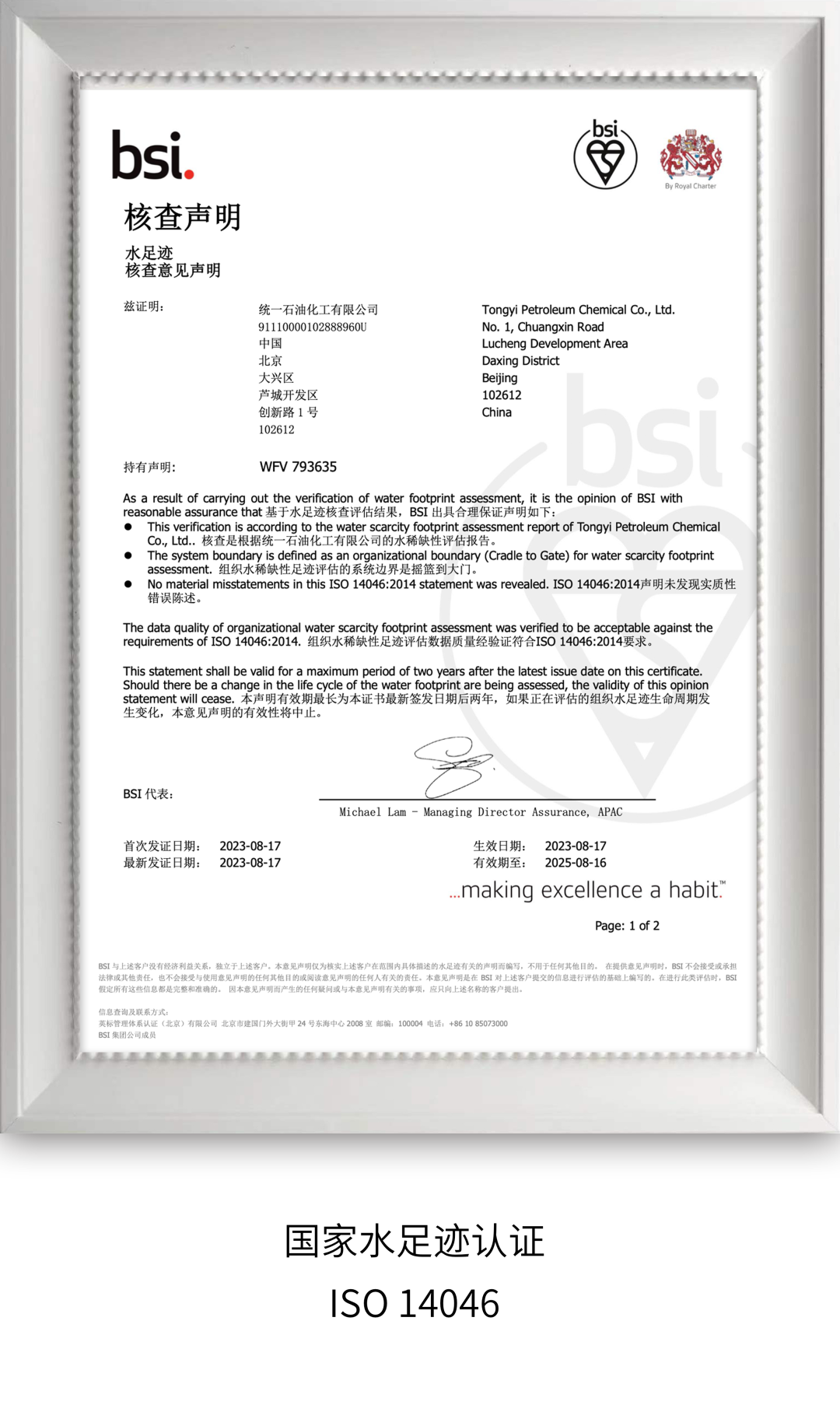
Thanks to the early awareness of carbon reduction, in recent years, with the continuous efforts of the ESG Management Committee, according to the goal of green and low-carbon products, all products have their own subdivided carbon reduction strategies and roadmaps. On the one hand, we will upgrade the T-lab low-carbon technology laboratory, develop patented carbon reduction technologies, give full play to the scientific research and technological advantages of the institute, inject carbon reduction technology into enterprises and products, and create patented carbon reduction technologies. On the other hand, since 2020, it has taken the initiative to take voluntary emission reduction measures in accordance with the provisions of the National Certified Voluntary Emission Reduction (CCER), and has successively implemented the organization-level greenhouse gas accounting and certification based on the global standard ISO 14064, the carbon footprint accounting and certification based on ISO 14067, and passed the ISO14046 water footprint certification. Among them, the certification of carbon footprint and water footprint means that it has unified the dual measurement capabilities of carbon emission management and water resource utilization management, and according to the carbon neutrality synergy mechanism, it will also provide comprehensive collaborative guidance for upstream and downstream enterprises to achieve water conservation and emission reduction.
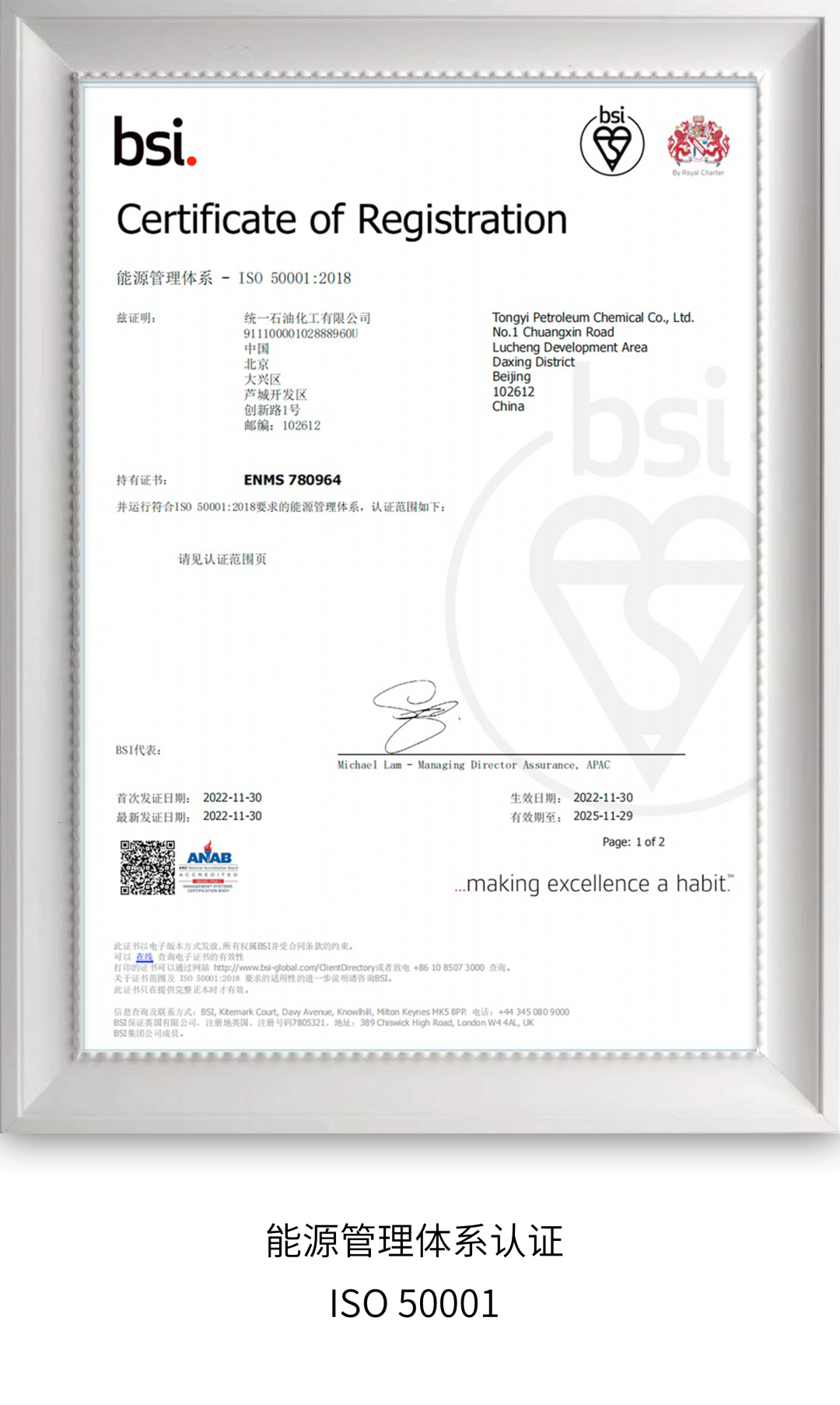
In addition, the ISO 50001 certification is also a management system for energy conservation and consumption reduction advocated by the state, which can help to establish a hierarchical, hierarchical and quantitative energy management system in accordance with energy management system standards, and can systematically optimize energy performance and promote more efficient energy management in product development, manufacturing, sales and other processes. At present, 100% of all low-carbon products have carbon footprint data, and more than 70% of products are low-carbon products.
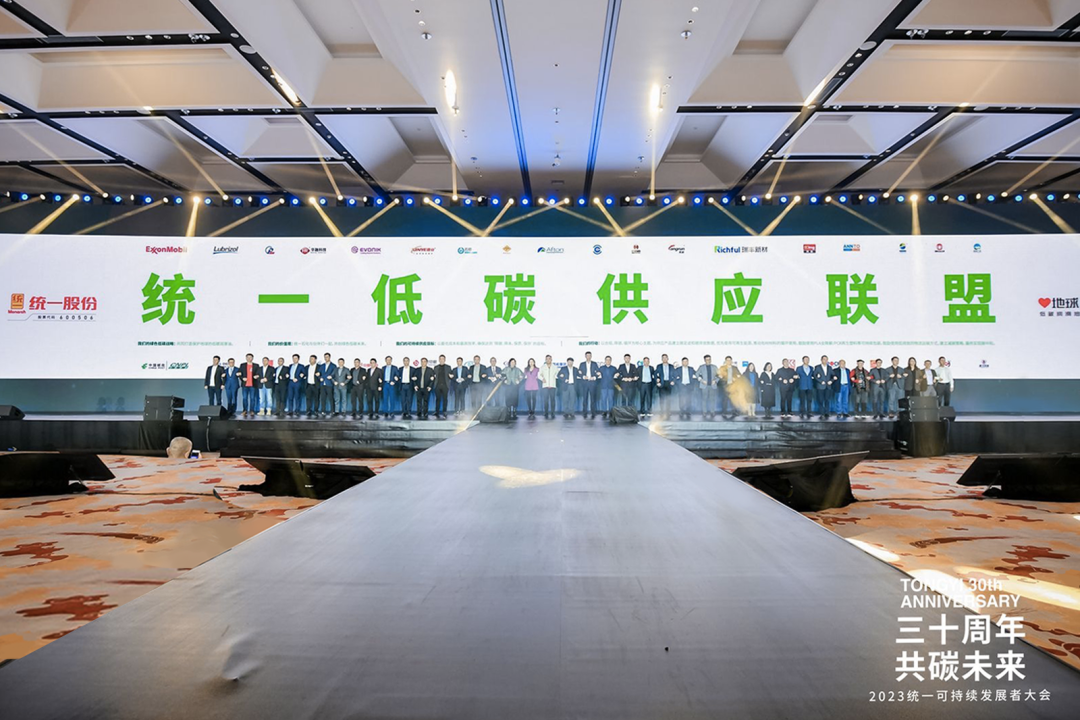
On October 30, 2023, the Unified Green and Low-Carbon Supply Alliance was officially launched. The alliance is a voluntary emission reduction and decarbonization alliance established by Uni-President Petrochemical and a number of upstream suppliers on the basis that Uni-President Petrochemical has obtained the first batch of ISO20400 sustainable procurement standard system certification in China. By selecting sustainable raw material suppliers and new environmentally friendly materials, the alliance reduces greenhouse gas emissions from upstream procurement activities, promotes suppliers to carry out third-party testing of carbon emissions, provides carbon emission reduction data, and establishes a traceability system for low-carbon raw materials.

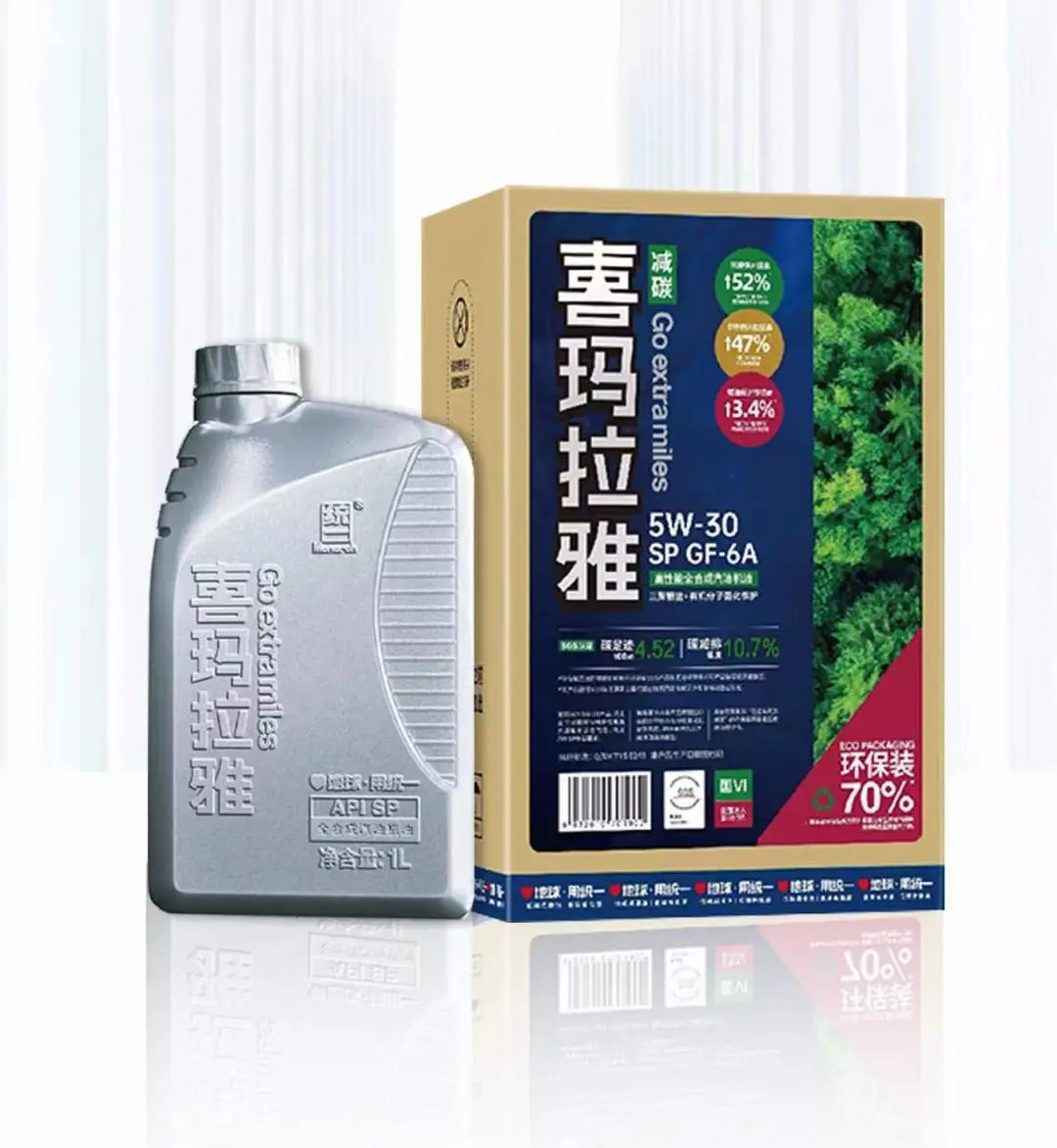
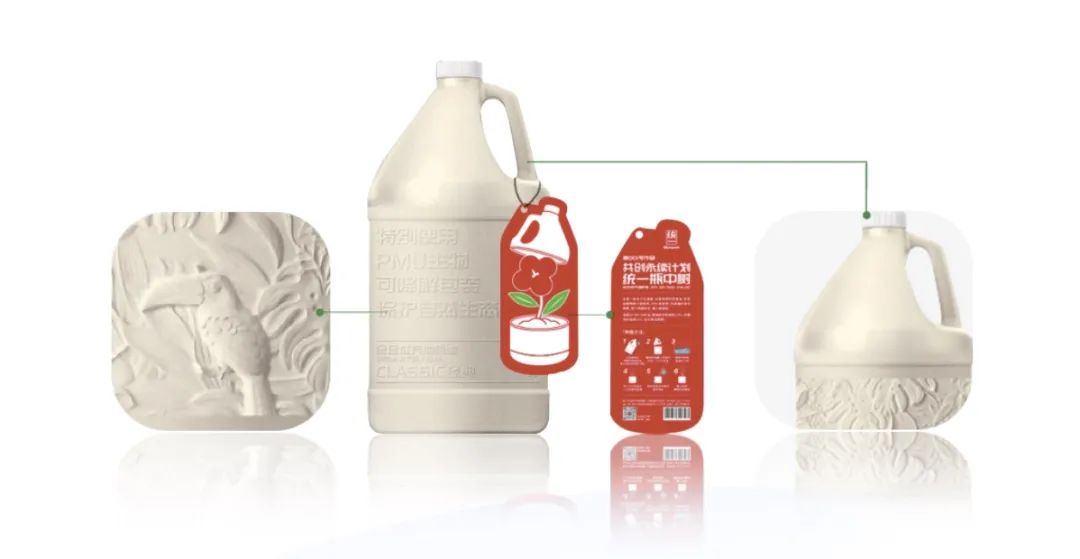
Through the efforts of the alliance, firstly, the Himalayan series of lubricant products based on the LCA design concept have taken the lead in becoming the main product of plasticization, and the first to use environmentally friendly carton packaging, and the built-in oil storage bag can be completely recycled and degraded to achieve 100% recycling, and the carbon emission of the production process is low. It is understood that the use of carton packaging can reduce the carbon emissions of packaging materials by more than 70%. Second, the recently launched degradable barrel adopts the composition and process of PMU inorganic and biodegradable materials, which are natural and environment-friendly green ecological polymers. The relevant degradation report shows that 90.3% of the natural anaerobic environment was degraded in 779 days, and continued to degrade at a certain stable rate. According to statistics, from January to November this year, Tongyi Petrochemical reduced carbon emissions by about 91,760 tons.
While continuously reducing carbon emissions, reducing emissions and reducing plastics, we will continue to improve the ESG management system, actively organize and participate in public welfare activities, disseminate low-carbon knowledge in various ways, and advocate low-carbon lifestyles.
Since the launch of ESG governance, the company has jointly launched the "Low-Carbon Supply Chain Alliance" with the Tianjin Emissions Exchange, inviting many corporate partners to join, participate and jointly build a low-carbon supply chain, further promote the development and application of low-carbon products, and create a green ecosystem for the industry. At the same time, we will create a "unified low-carbon day" and "unified low-carbon credits", and advocate our employees, dealers and customers to participate in low-carbon public welfare activities.
On World Earth Day in 2022, the industry's first low-carbon festival concept product - the unified "confession bucket" of the World Earth Day special edition product was released, which was favored. In the first half of 2023, Uni-President has successively initiated and participated in theme activities such as "Earth Hour" and "Unified Low-Carbon Conference", and also joined hands with upstream and downstream enterprises in the industry to expand the green and low-carbon alliance, calling on more partners to jointly explore the path of low-carbon development.
In order to make consumers more intuitively aware of the benefits that the use of low-carbon products can bring to the earth's carbon reduction and emission reduction, in addition to clarifying the emission reduction data and carbon footprint of the product, it will also convert each barrel of low-carbon products into the number of trees planted. For example, a 18-liter drum of uniform hydraulic oil reduces carbon emissions equivalent to planting 1.9 trees, and according to the European Environment Agency's website, one tree can absorb 22 kilograms of carbon dioxide per year.
It can be seen that the unification of production and lifestyle of low-carbon, innovative and sustainable operation is comprehensively promoted by partners, upstream suppliers, downstream customers and employees, and the object of carbon neutrality is no longer limited to market users, but has been amplified to comprehensive services to society and the environment through the four-in-one carbon neutrality structure.
Contribute to global emission reduction
On the second day of the release of the list of green factories, the National Development and Reform Commission and other departments issued the "Opinions on Accelerating the Establishment of a Product Carbon Footprint Management System", pointing out that by 2025, the national level will introduce about 50 carbon footprint accounting rules and standards for key products, a number of key industry carbon footprint background databases have been initially completed, the national product carbon labeling certification system has been basically established, and the application scenarios of carbon footprint accounting and labeling in the fields of production, consumption, trade and finance have been significantly expanded. Standards and carbon labels are internationally recognized.
According to industry insiders, this news can be seen as a positive response to the "2023 Emissions Gap Report: Breaking Records - Temperatures Hit New Highs, but the World Has (Again) Failed to Reduce Emissions" released by the United Nations Environment Programme on November 20, in order to encourage enterprises to accelerate the progress of emission reductions and promote the Chinese business community to show more results in terms of nationally determined contributions.
The report notes that progress on NDCs has been negligible since COP27, and that further delays in stringent global greenhouse gas emissions reductions will increase future reliance on carbon dioxide removals to meet the long-term temperature targets of the Paris Agreement. According to the report, as of early October, there have been 86 days of temperatures above pre-industrial levels of 1.5°C, and September was not only the hottest month on record, but also an unprecedented 0.5°C above the previous record, with the global average temperature 1.8°C above pre-industrial levels. And global greenhouse gas emissions and atmospheric carbon dioxide concentrations also set new records in 2022.
When the Chinese government formally proposed China's 3060 carbon emission target at the general debate of the United Nations General Assembly in September 2020, Tongyi, as a member of the global climate change response, had already integrated its corporate low-carbon strategy with the national dual carbon mission and the United Nations emission reduction goals. Li Jia, general manager of Uni-President Co., Ltd., said that we will continue to adhere to the path of corporate independent contributions, actively play the role of member enterprises of the United Nations Compact, help the low-carbon transformation of the industry, assume the historical mission of central enterprises, and strive to contribute to the green and low-carbon transformation of China's economy for another 30 years.


